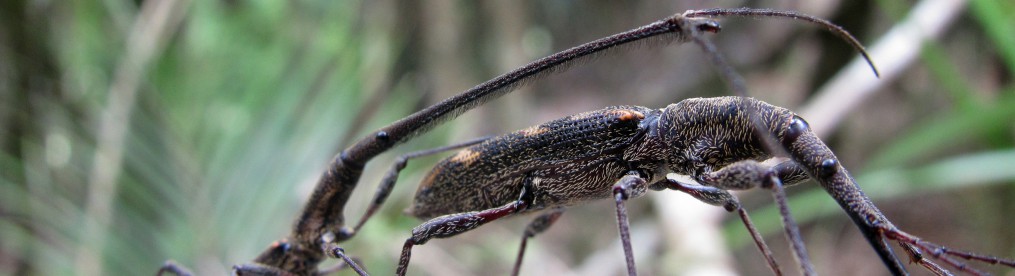

By Zita Roithmair
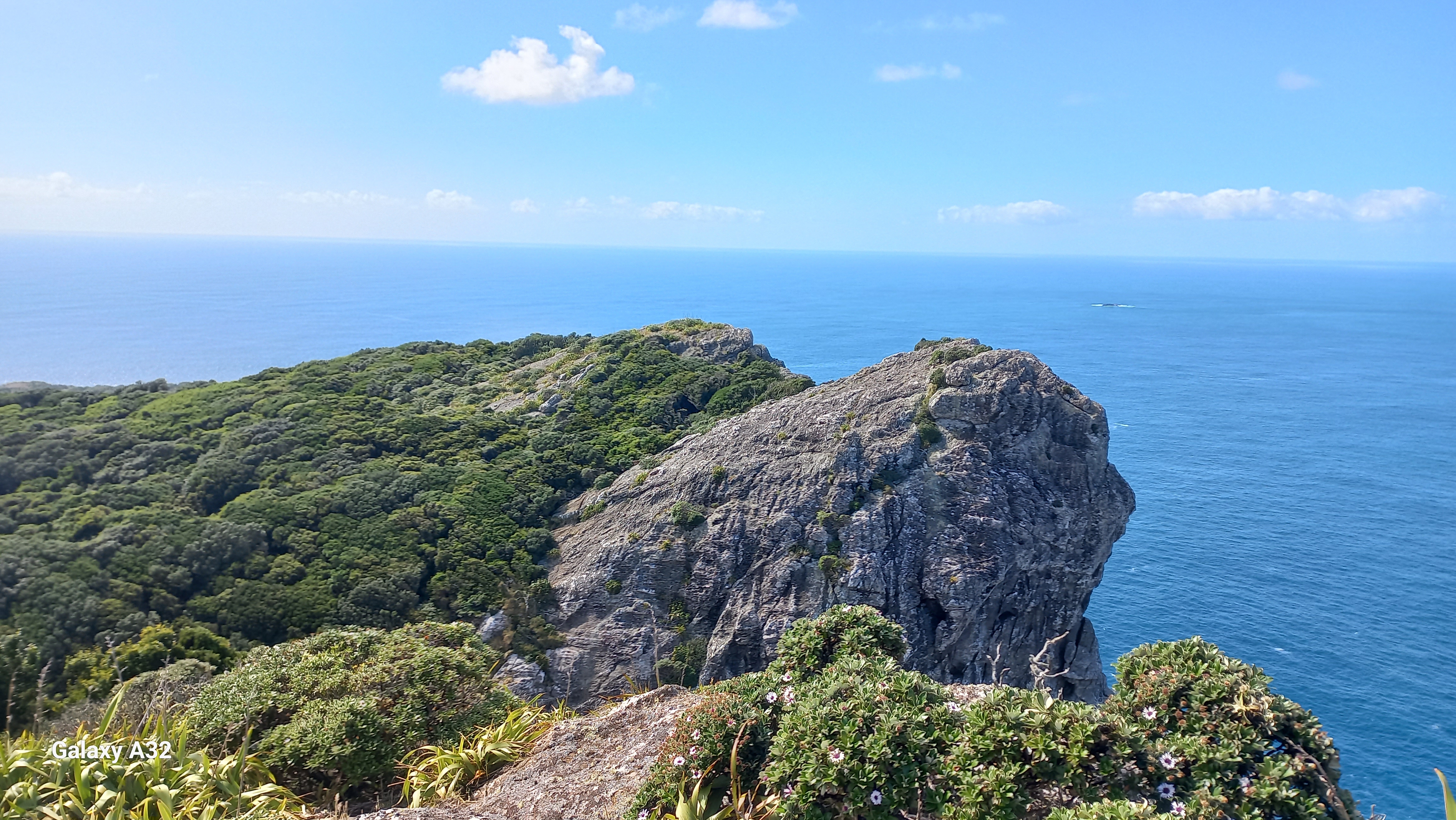
Rekohu | Wharekauri | the Chatham Islands: a group of islands about 800 kilometres east of New Zealand. The most south-eastern island of this archipelago is called Hokorereoro | Rangatira | South East, uninhabited by humans, but populated by lots of wildlife!
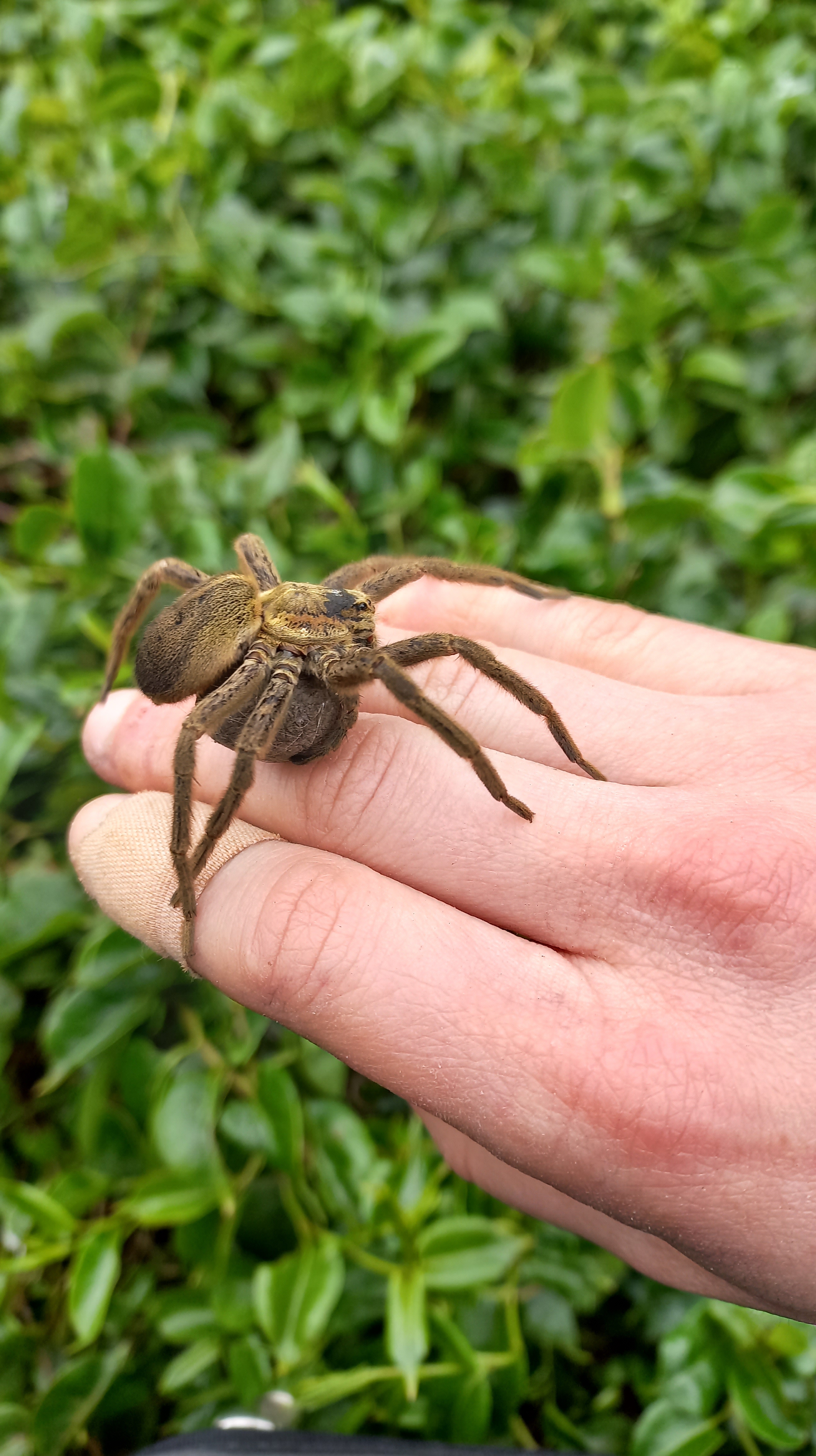
Not only is Hokorereoro | Rangatira a beautiful offshore island and very special place, but it is also the home to a very range-restricted fishing spider: Dolomedes schauinslandi. While a couple of Dolomedes species have been studied in regard to their behavioural ecology, there is not much known on the biology of D. schauinslandi (also called the Rangatira spider). That’s why I am here now: I am spending this summer season with the spiders on Hokorereoro | Rangatira studying their ecology, mating behaviour and life history!

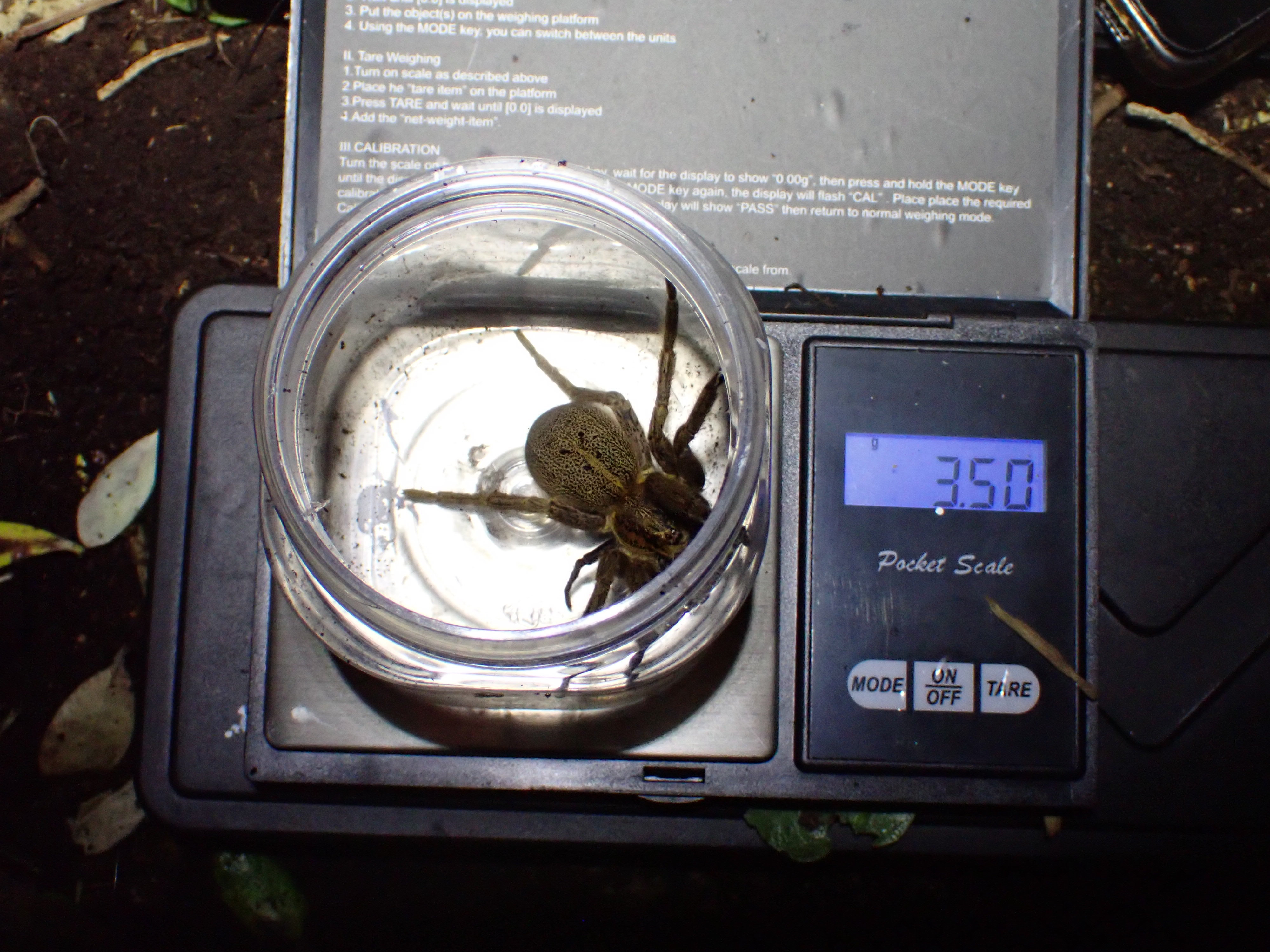

While fishing spiders are usually known for their astonishing ability to walk and hunt on the water surface of ponds and streams, D. schauinslandi (aka the Rangatira spider) lives on an island with no freshwater bodies and therefore evolved to live and hunt in the forest, mainly on large, old trees. It is incredible how those relatively large spiders can squeeze into the most unrecognizable holes and slits in old wood during the day, just to come out at night and go for a hunt or look for a mate.
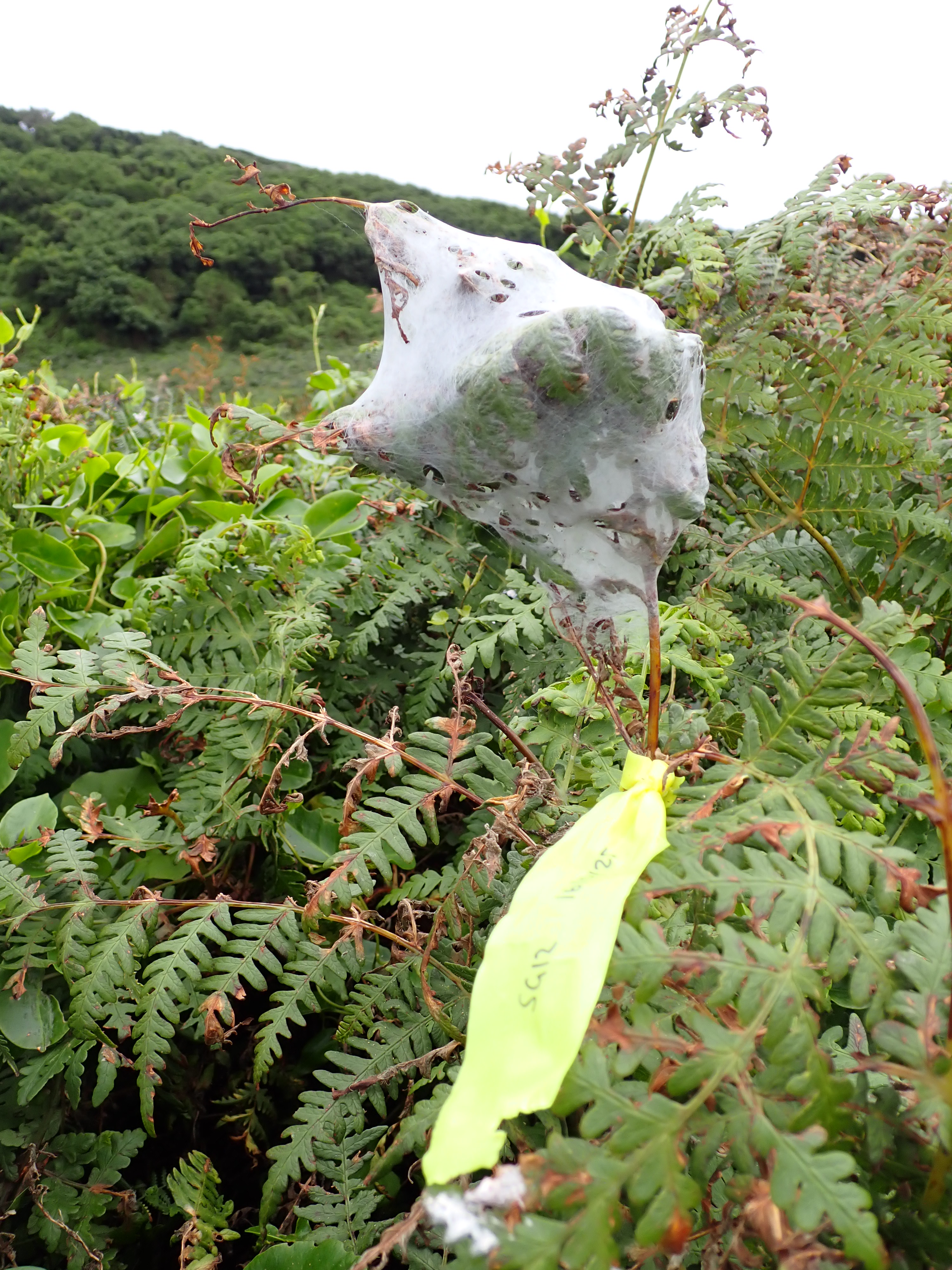
While most of my work is taking place in-situ, including monitoring of the spider population with mark-recapture methods since October and since January monitoring of their nursery webs as well, I am also conducting behavioural experiments, such as mating trials to get a more detailed understanding of their mating behaviour.

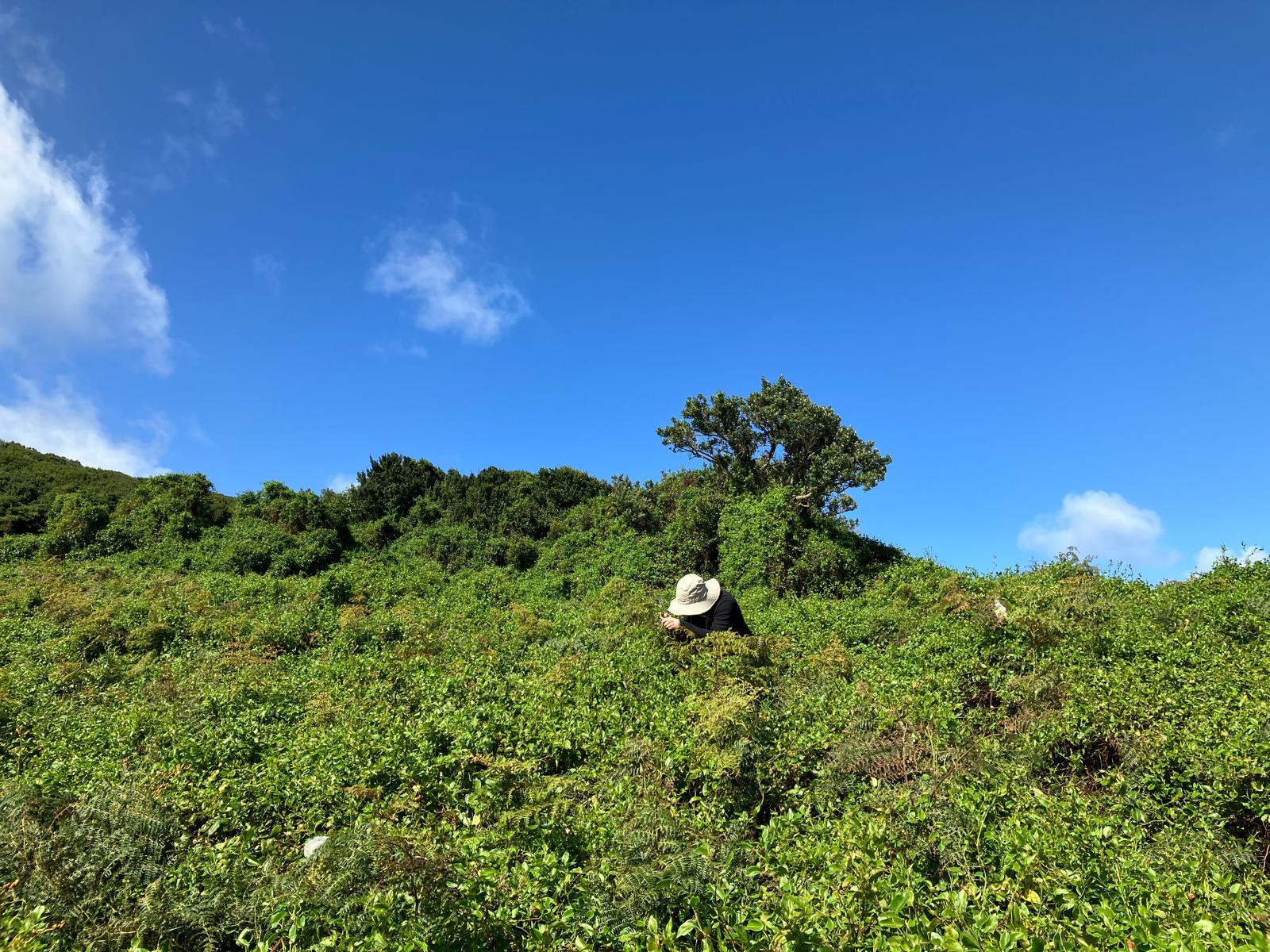
The results of my fieldwork will give insights into the biology of this amazing species, and also help to get a better understanding of the different mating behaviours in Dolomedes fishing spiders.
 Invertebrate Behavioural Ecology Lab